A Dolly Aside #3, The Buffalo Fryes
 |
This is a winding tale of chance connections begun in a gift of doll clothes handmade in 1926. If you’re short on time or burrowed under many blankets, I’ve summed it all up in a 90 second film below. If you’re ready for a tale, then read on!
A Chance Meeting.
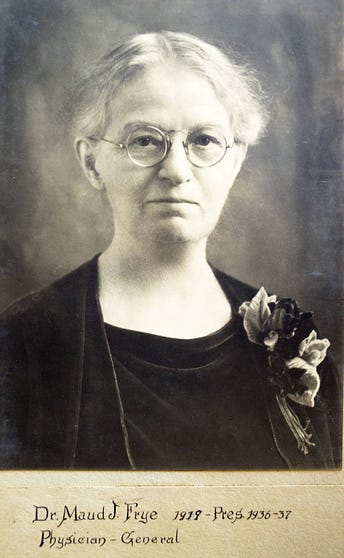
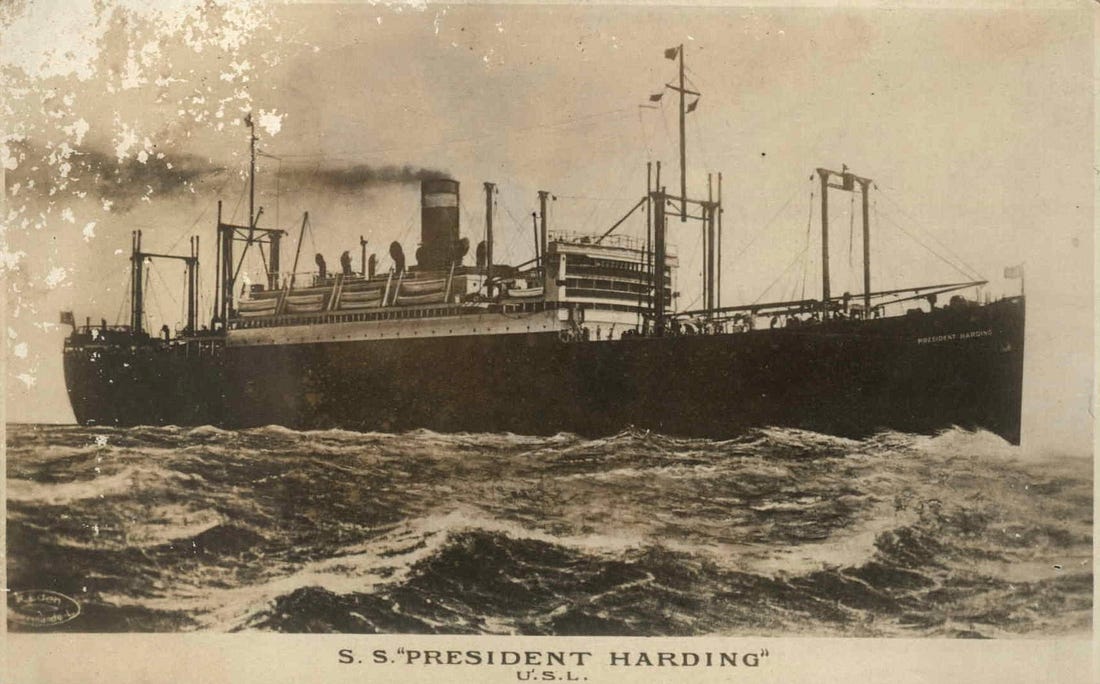
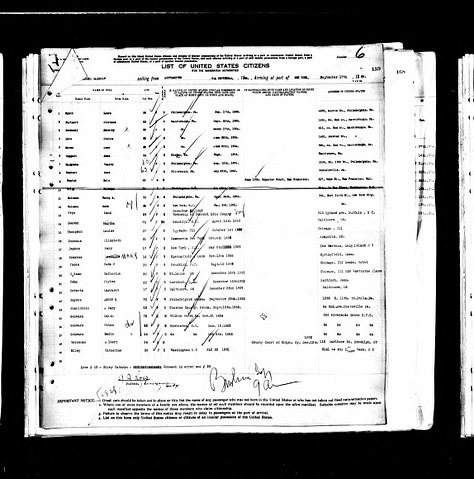
On July 8, 1926, Dr Maud Josephine Frye of Buffalo, New York, disembarked from the SS “President Harding” at Plymouth, England. What her plans were in England between that July and September is unclear. Maud was the doctor for female students at the University of Buffalo until 1940 when she entered private practice. Perhaps her visit to England was for research or to give a lecture of some kind. She’d already published papers on pediatrics and diseases affecting women. Maud was also an officer of the Zonta club, an organization that to this day advocates for girls and women with a focus on ending gender-based violence across the world. Perhaps Maud was on Zonta business. One day, I hope to find out, but after a week of research, I haven’t yet solved that mystery.
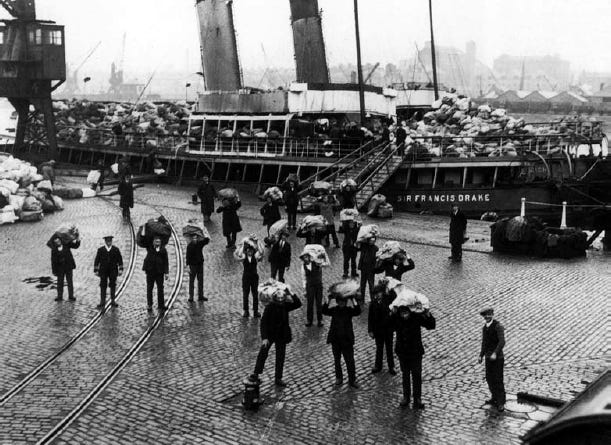 |
What I do know is when Maud was preparing to sail back to New York from Southampton, her ship was delayed because of the 1926 General Strike in Britain. Because I grew up in the USA, I’d never heard of the 1926 General Strike where coal miners were asked to work an extra hour of the day for less pay even though their wages had been steadily declining since the end of World War One. 1.7 million heavy industry workers walked off their jobs in total, most of them miners and many in sympathy with the miners. The motto of the Miner’s union was: “Not a penny off the pay, not a minute on the day.”
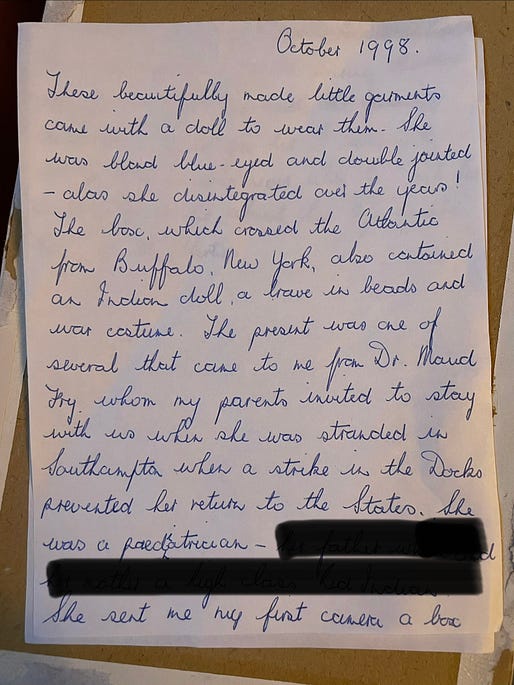
Even though the General Strike happened in May of 1926 – with a sadly poor outcome for the workers – the unrest disrupted mines, ports, and haulage throughout that year. When September came, Maud couldn’t get back to New York. Now, here’s where the details get a bit fuzzy. I have in my possession a letter written by a (for now) anonymous woman who was just a girl in 1926. We’ll call the girl Sally until I discover her name. Maud took refuge with Sally’s parents while she waited for her ship to sail. Sally wrote this letter in 1998. It’s to do with doll clothes and here it is:
 |
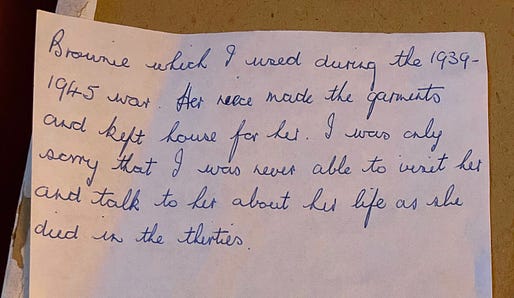 |
How Dolls Come Into the Story.
Now, you know why this is a “Dolly Aside.” Because I have the clothes that once belonged to Sally’s disintegrated doll. Here they are in a film, just for you!
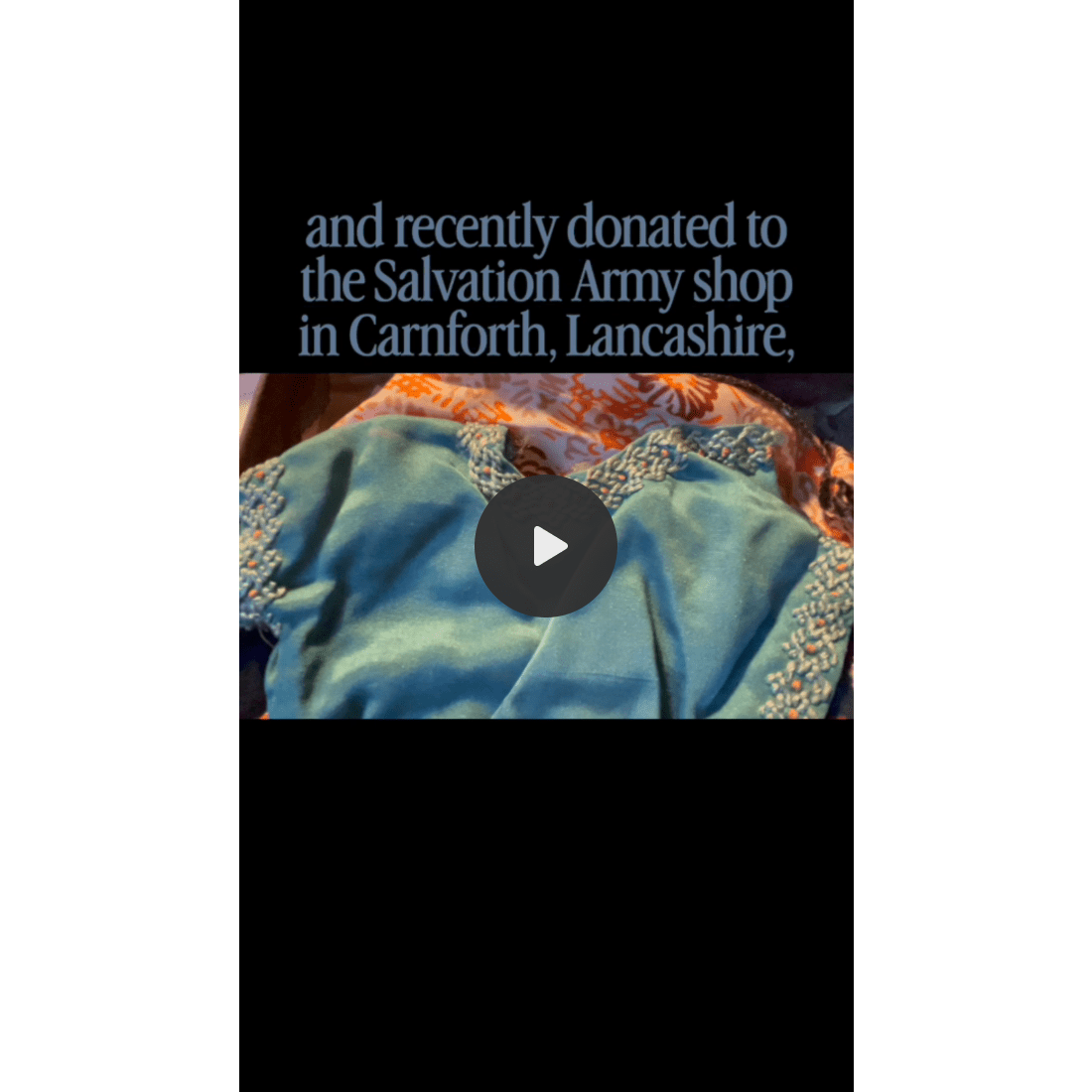
This past Monday, I was volunteering at the Salvation Army shop in Carnforth and Sally’s daughter Sarah came in with two suitcases full of donations. On the very top of the pile sat a little cardboard box with this written on the back: “DOLLS CLOTHES. PLEASE KEEP.” Naturally, I nearly combusted right there. Sarah was in a bit of a hurry, so I didn’t get to speak to her for long. She did say that her own doll wore the clothes. After Sarah left, I looked at the clothes in the box and then I found the letter from Sally! I’m not even sure Sarah knew the letter was in the box!
If you know me, you know how much I love to research things! Every spare minute I’ve had this week, I’ve been at the library trying to learn more about Dr Maud Frye and her niece who made these clothes!
The Buffalo Fryes.
Here’s what I can tell you. Maud and her brother Willie were the children of William Manning and Josephine (Burgess) Frye. At the time of the 1870 census, Willie and Maud were two and three years old living in Concord, New York, with their dad William, a cheese maker, and their mom Josephine whose job is listed as “keeping home.” Josephine’s siblings Isabelle and Lucy (13 and 12) also lived with them. Josephine had grown up in Vermont and brought her siblings down to New York with her perhaps because she came from such a large family. Josephine died that year of the census.
By 1880 William had remarried. Josephine’s sisters Isabelle and Lucy had grown up and her children Maud and Willie (13 and 11 years old) had a stepmother in Amy Mosher, a widow of a farmer and a dressmaker. Maud and Willie were listed as being “At School.” William Manning was now listed as a “former printer, pension agent, and canvasser.” Back then the census listed illnesses (the “condition”) of the respondents and William Manning was marked as having “Bright’s Disease.” By 1890, William Manning had died of kidney failure and Amy, widowed for a second time, was living with her stepchildren, Maud now a doctor and Willie now a lawyer.
The census, school yearbooks, and local registries can tell me these things – though it wasn’t straightforward to get these facts correct because some records erroneously suggested Amy was Maud and Willie’s birth mother rather than stepmother, so I had to be eagle-eyed. But what these registries can’t tell you is how the daughter and son of a ex-cheese-maker/ex-printer/pension agent and a dressmaker became such finely educated people – pillars of Buffalo liberal society, advocates for social justice, and tireless professionals.
 |
Time and again, while collecting facts, I felt I didn’t know as much as I would have liked about Maud and Willie. Maud was a scholar, a doctor, a campaigner for women’s rights, and beloved by her co-workers and community. Willie worked his way up to having his own law firm, he represented the city, the council, and plaintiffs in probate. I get the sense that they were both earnest, gentle, and community-minded. But why? What is my evidence? A feeling or clues?
When Willie got married, he and his wife Minnie Bissell and their daughter Margaret lived with Maud for many years before moving into their own house. They were all still living at 211 Highland Avenue, a leafy street with wide sidewalks and big clapboard houses, in 1920 when Margaret was thirteen. By chance, Isabelle (remember her?), their birth mother’s sister, was down visiting from Vermont, and was counted in their household, too.
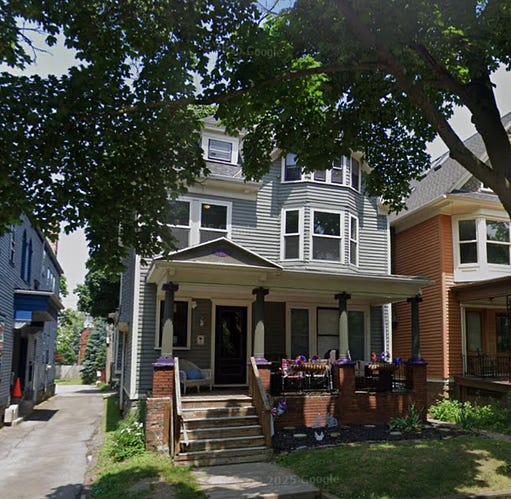 |
In 1930, just after Maud visited England and stayed with Sally’s family, she was still living at 211 Highland Avenue with a housekeeper named Celestine and practicing general medicine from home. Margaret was just back from Wellesley College by then and her parents Willie and Minnie had moved to 208 Crescent Avenue.
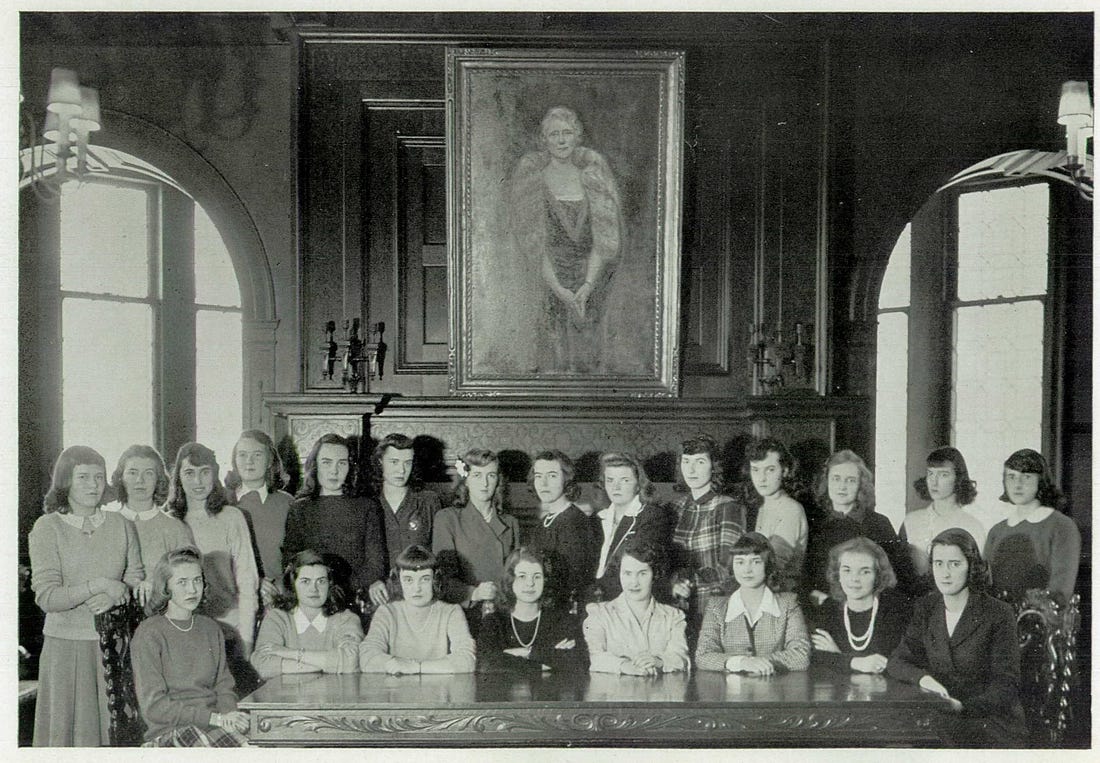
Then by the end of the 1940s, Willie, Minnie, and Maud had all died and Margaret was on her own. Margaret never married, but she had plenty of children because she became a music teacher at Buffalo Seminary. She traveled to Europe to study piano. She hosted many fundraisers in Buffalo through the Wellesley Club and the Salvation Army. She often appeared in the social news.
In one Buffalo Daily News article I learned about a woman from France, Suzanne Hemmerle, who won a scholarship to study dentistry at the University of Buffalo in 1924. Suzanne lived with the Fryes when Margaret was seventeen. Margaret hosted Suzanne again in 1974 when she came back to Buffalo from France for her 50th reunion. Margaret just seems like the kind of person you wouldn’t forget after fifty years.
 |
Why Do I Love These People I Never Met?
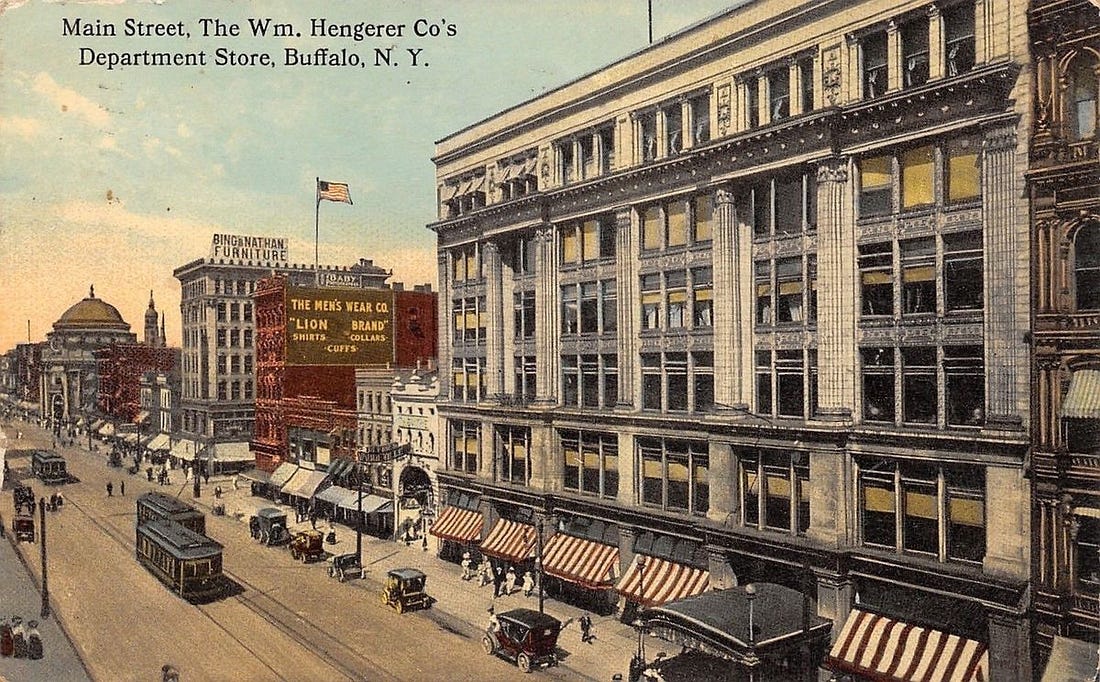
What makes me feel that Margaret and her family were so likable? It’s hard to say. What I can say is that when Maud came back from England, she told her niece about the lovely family in Southampton that looked after her while she waited for the USS “President Harding” to sail to New York. Perhaps, together they decided to do something nice for the little girl Sally and they bought her two dolls, a blonde one and a brave. In the bottom of the box of doll’s clothes, there’s a blue paper bag from one of the biggest department stores in Buffalo, New York, The Wm. Hengerer Co. “A Store of Specialty Shops.” I imagine those dolls and the little pair of white dolls shoes with silver buckles came from Hengerer’s.
 |
But the two dolls weren’t quite enough to express Maud’s gratitude to Sally’s family in Southampton. So, at nineteen years old while a student at Wellesley College, Margaret sat down and made the blonde doll five silk dresses and a coat. She trimmed each dress with ribbon or lace and she embroidered three of the dresses with stitches of a quality that few people would lavish on a doll’s garment. I think it’s this act of gratitude which involved so much time and care which moves me to think that these Fryes of Buffalo were particularly thoughtful and special people. Then there’s the treasured Brownie camera sent along to Sally later..
I suppose it can seem in some ways like a list of “begats’ from the Bible for me to tell you and for you to read this family history. I had to investigate my own desire to look it all up and tell as much of it as I could – and I don’t even feel I’ve done them justice. I plan to keep looking. If you have archival access to various universities or newspapers, please see the bottom of this letter. I’d be grateful for your help.
Acts of Kindness Can Last for 100 Years, Move People You’ll Never Meet.
Why spend the time with people I will never know to whom I’m not related? I think it’s because I feel that I’m responsible now. Sally and her daughter Sarah kept those doll clothes for 100 years. They fell into my hands at the Salvation Army shop – somehow I was there on the very day they arrived and I bought them! It’s my honor now to look after these little heirlooms and to dress my dolls in them.
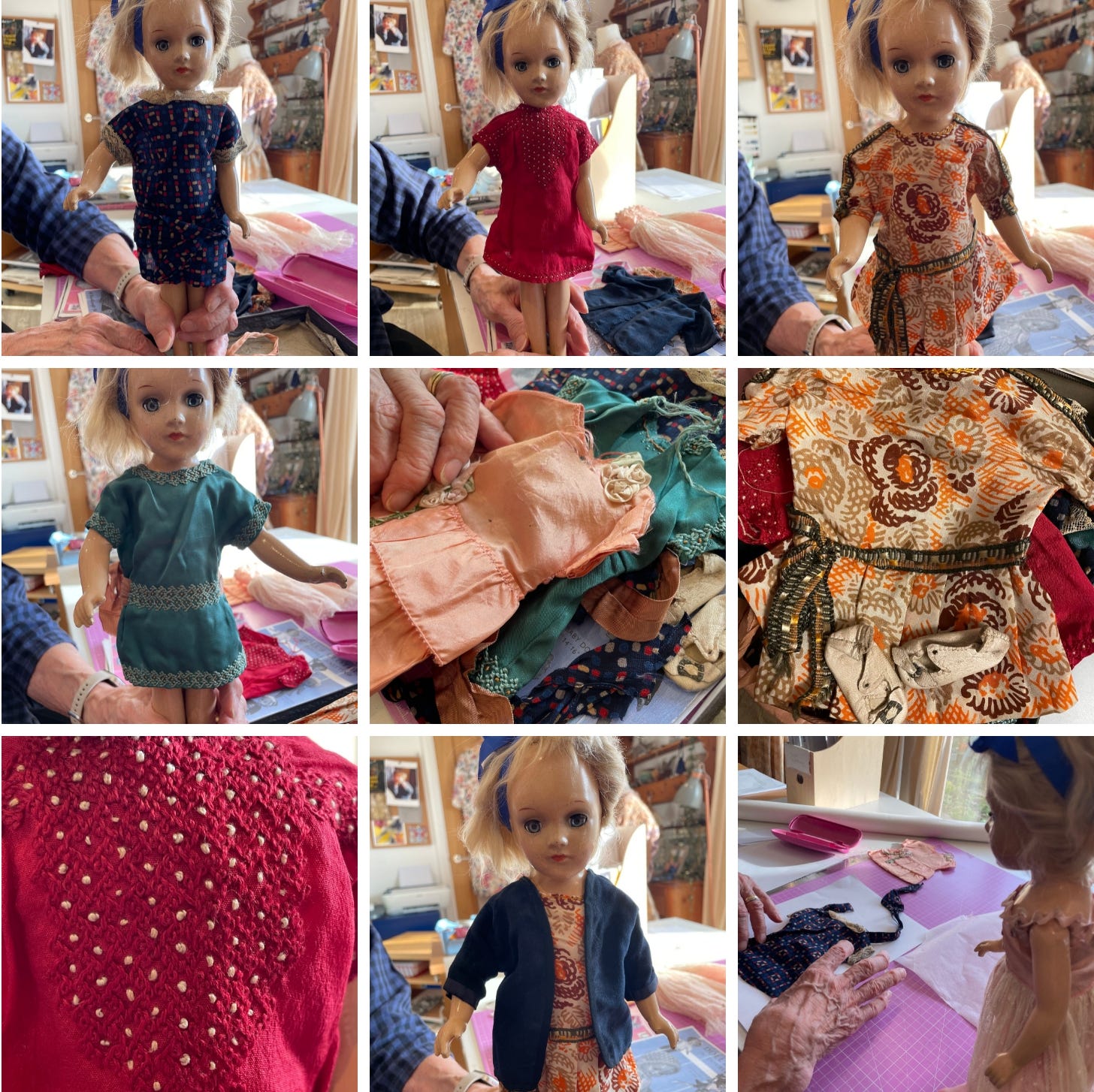
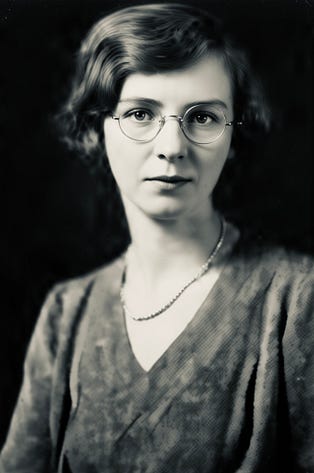
Still, I want to share more than these breathtakingly beautiful doll clothes. I want to let everyone know that there was a woman named Maud, daughter of a cheese-maker, who chose to be a doctor when few people thought women should or could be doctors. She had a brother named Willie who practiced law and worked assiduously for his community. He married a woman named Minnie Faith Bissell of the New York Bissells. They all loved Margaret who played piano, taught music, raised money for good causes, and hand stitched a wardrobe of doll clothes for a little girl in Southampton, England.
They are all remembered and their story still sings!
I hope you will remember them, too, now – the gentle Fryes of Buffalo – and the everyday beautiful fact that even small acts of kindness can last for more than a hundred years and reverberate in many hearts. Doll clothes may seem inconsequential, but they are the one lasting thread between the Fryes of Buffalo, the Southampton family, the present me, and the future. These doll clothes are still telling a story.
Thank you for remembering the Buffalo Fryes with me.
Love from your friend,
Jeni
P.S. Also, please do write things down because I wouldn’t have even made a start if “Sally” hadn’t enclosed her note with these doll clothes. And if you have a bit of history in your care, consider passing it on to someone (or an organization) who will care about and appreciate what your little treasure means. Your bit of history matters.
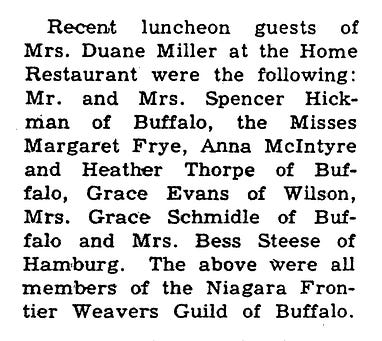
P.P.S. Guess what? I found a small mention in a newspaper of 1955 where Margaret was in Angelica, New York, at a gathering of weavers! She was still a needlewoman nearly 30 years after making the doll clothes!
 |
Thank you, Elaine!
With deep gratitude to Elaine Handy at the Salvation Army Shop in Carnforth who has completely embraced my erratic schedule and has trained and welcomed me as an ad hoc volunteer. Elaine is chasing down Sarah, the donor of the clothes, so that I can learn more about “Sally” and the Southampton part of this story.
I’m seeking more of the story! Can you help?
If you’d like to help me find out more about the Fryes, I would be so grateful. I am, of course, writing to Buffalo Seminary and Wellesley College, but if you have access to their alumni archives, then you might get further than my blind email. I believe Margaret went to Wellesley from 1924 until 1928. She was probably a music major. I would LOVE to see photos of her from the yearbooks. She was also a teacher at Buffalo Seminary after graduating from Wellesley, so from the 1930s onward, if you have access to Buffalo Seminary archives. I’ve not been able to find a single photo of Willie (William B) Frye or his wife Minnie Faith Bissell Frye. Maybe there’s a marriage or engagement photo or a photo from his years as a lawyer. I believe they got married in 1900. Willie graduated from Buffalo Law School in 1894. Did they photograph their graduates? Anything you can think of would be welcome.
 |
Tip Jar at Paypal or Ko-Fi. Thank you for supporting the new song, dolly rescue, bear rehabilitation, and loom re-stringing society!
Substack Notes where I post pictures and thoughts plus excerpts from other writers whose work I’m enjoying.
My shop where you can buy real albums that you can hold in your hand. Albums for the USA and Canada ship from the USA. Albums for the UK and Europe ship from the UK. Everywhere else, please write to me first! What chaos, the tariffs!
Instagram and Facebook where I post my adventures almost daily.
My articles for Modern Daily Knitting.
Paid subscribers (New Song Club Members) receive a link to download a new song each month. Thank you! January’s song was Big Walker Mountain Tunnel Lament.


Comments
Post a Comment
Thank you for your comment! The lovely moderator will attend to it gently and promptly.